







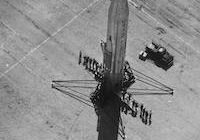
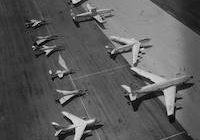
Honoring the state’s aviation legends and encouraging the state’s youth interested in the past and the future
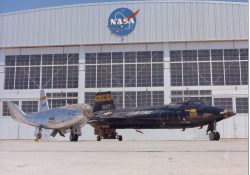
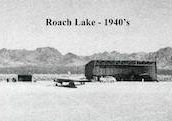
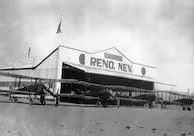
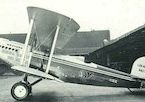
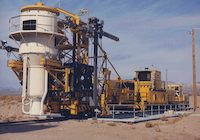
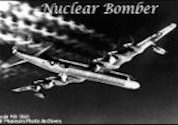
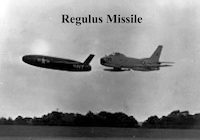
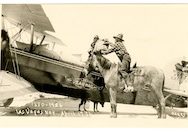
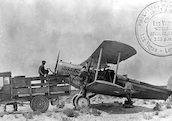
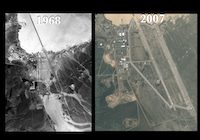
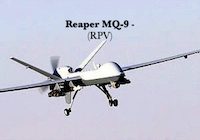
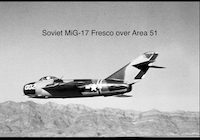
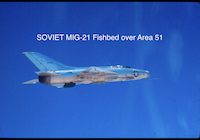
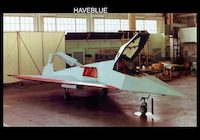
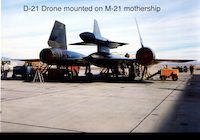
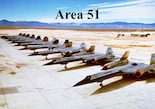
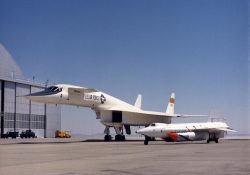
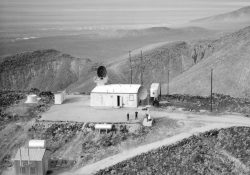
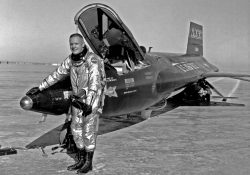
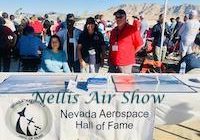
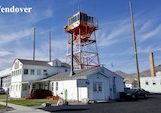
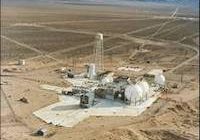
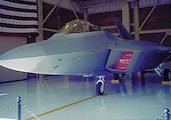
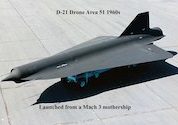
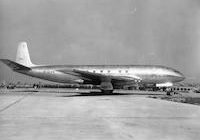
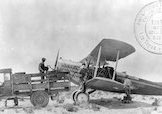
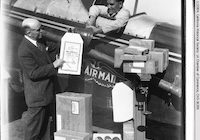
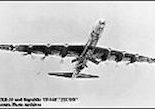
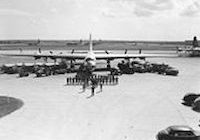
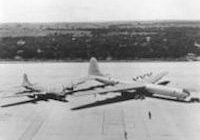
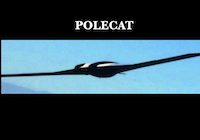
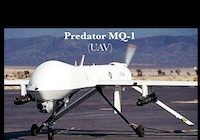
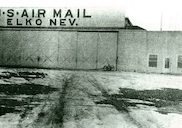
The Nevada Aerospace Hall of Fame (NVAHOF) celebrates Nevada’s pioneering contributions to U.S. military and aerospace history, including its early role in aviation with the nation’s airmail service. As the “Battleborn State,” Nevada served as a vital West Coast Line of Defense during WWII, supporting the U.S. Army, Navy, Air Force, Marine Corps, and Coast Guard. In the post-war era, NASA established two tracking stations along Nevada’s High Range flight test corridor to aid in aeronautical research. Nevada’s advancements continued with the Nuclear Rocket Development Station (NRDS) at Jackass Flats, driving forward nuclear propulsion research. Eight X-15 pilots earned their astronaut wings while flying over Nevada, a testament to the state’s role in pushing the boundaries of human flight. The Nevada Proving Grounds, established by the Atomic Energy Commission, became a crucial site for atomic bomb testing, astronaut training, and preparing the Mercury astronauts. Additionally, the CIA’s covert operations at Area 51 led to the development of spy planes, stealth technology, and classified technology demonstrators, further cementing Nevada’s legacy as a cornerstone of America’s aerospace achievements.
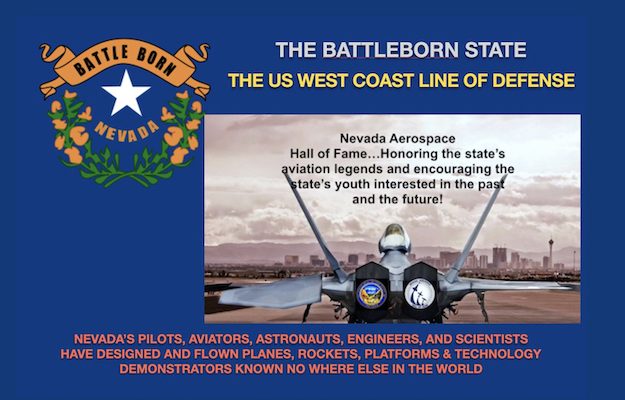
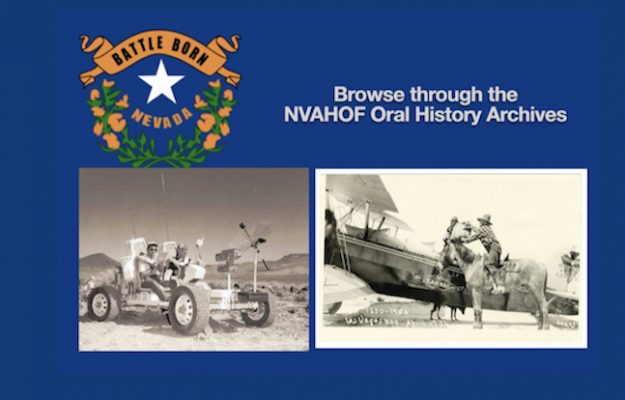
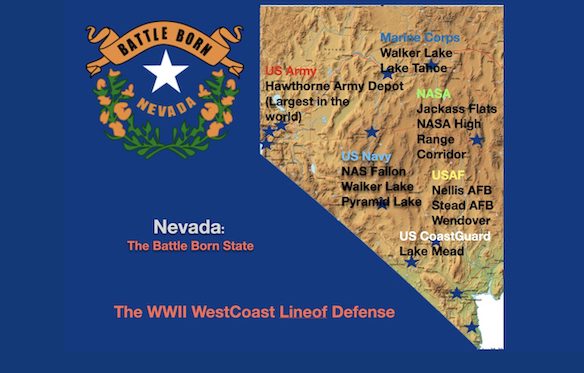
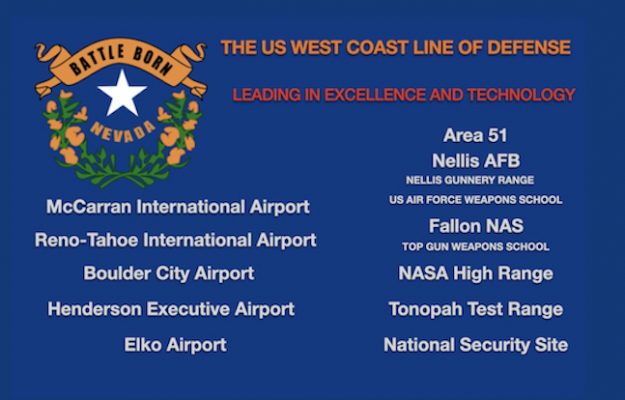
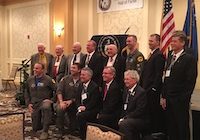
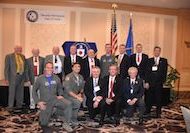
Margaret “Peg” Crockett to be enshrined in the Nevada Aerospace Hall of Fame Class of 2024.
To preserve Nevada’s distinctive contributions to aviation and aerospace, NVAHOF conducts oral history investigations, collections, and recordings, particularly through a student participant program. This initiative serves as a resource for governmental agencies, academia, historians, authors, media, and publications.
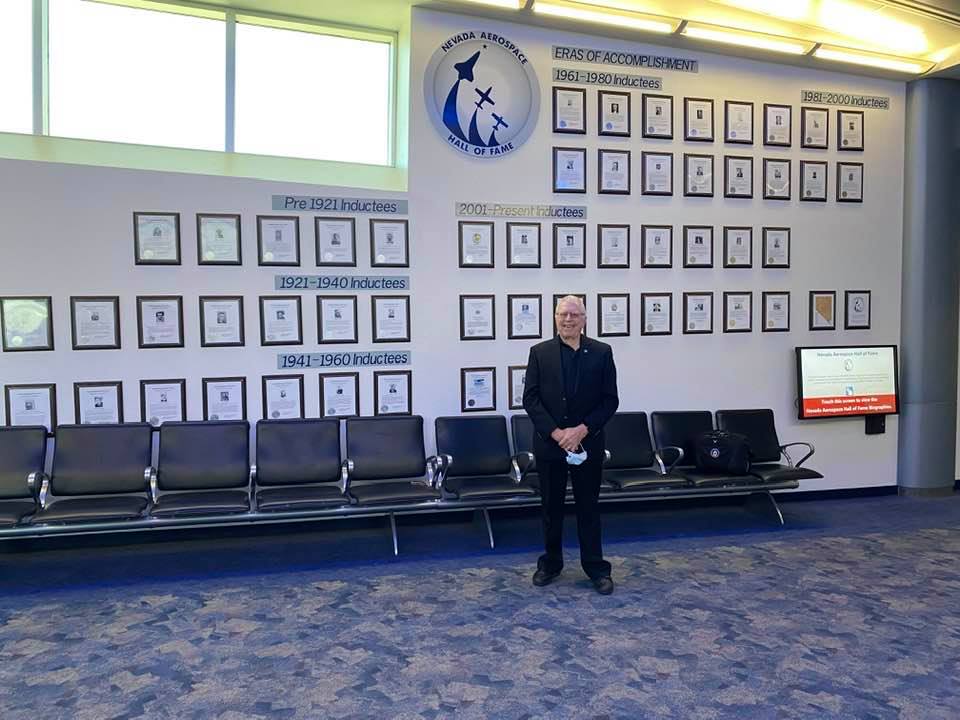
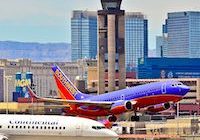
Visit the NVAHOF plaque display hosted by the Harry Reid International Airport in Las Vegas
NVAHOF is proud to share with the University of Nevada, Las Vegas (UNLV) its interest in recording Nevada’s rich history in aeronautics and astronautics.

 Chinese (Simplified)
 English
 German
 Hebrew
 Korean
 Latin
Latin Russian
 Spanish